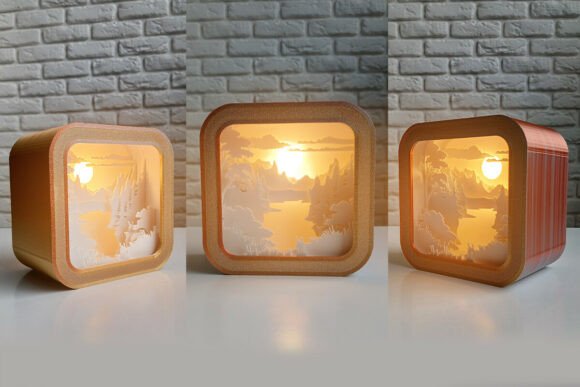
3D Night Light Puzzle
In the landscape of modern home office design and personal branding, the distinction between functional utility and atmospheric storytelling has never been more critical. For entrepreneurs, creators, and professionals aged 20 to 50, the environment in which they work directly influences cognitive performance, creative output, and the perception of their brand identity. This is where the 3D Night Light Puzzle transitions from a mere novelty item to a strategic tool for environmental optimization. Specifically, models like the “Sunset in the Mountains” offer a unique intersection of tactile engagement, aesthetic warmth, and ambient lighting control.
Unlike standard decorative objects that serve only as static visual noise, a layered 3D puzzle light demands participation. It requires assembly, attention to detail, and a moment of pause. In an era defined by rapid digital consumption and fragmented attention spans, the act of assembling a physical object provides a necessary counterbalance—a tangible anchor that grounds the workspace. When illuminated, this object transforms the lighting dynamics of a room, shifting from harsh, task-oriented illumination to a warm, diffuse glow that supports relaxation and sustained focus during evening hours.
The Strategic Value of Tactile Engagement
To understand why a 3D Night Light Puzzle belongs in a professional’s toolkit, one must first consider the psychology of the workspace. Decision-makers often struggle with "screen fatigue" and the mental clutter associated with constant connectivity. Introducing a physical, multi-layered component into the environment serves as a sensory reset. The process of printing and assembling the layers—stacking them without glue, ensuring each piece locks perfectly into place—engages fine motor skills and spatial reasoning. This low-stakes, high-focus activity can function as a form of active meditation, clearing the mind before tackling complex tasks or winding down after a long day.
Furthermore, the aesthetic outcome is not merely decorative; it is communicative. A beautifully designed mountain landscape at sunset projects an image of calm, stability, and natural beauty. For freelancers and small business owners who host video calls or welcome clients into their home offices, the background scenery is part of their non-verbal communication. A generic wall or messy shelf signals disorganization, whereas a curated, glowing art piece signals intentionality and care. The 3D Night Light Puzzle, therefore, acts as a subtle branding element, reinforcing a narrative of creativity and thoughtful design.
Design Philosophy and Functional Integration
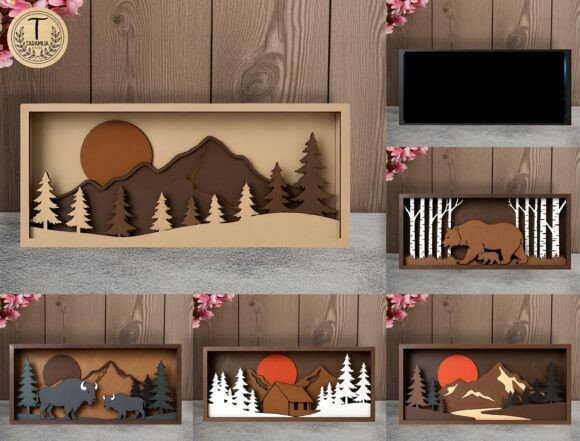
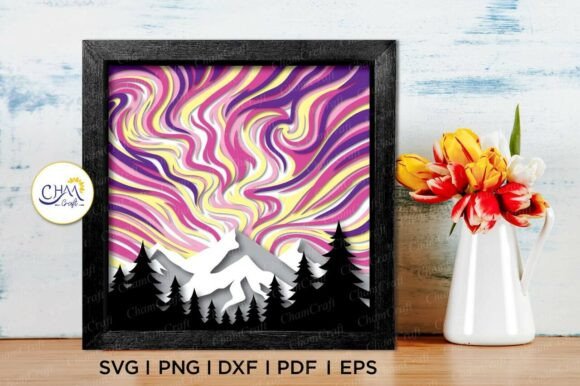
The specific architecture of the “Sunset in the Mountains” model is engineered for both visual depth and practical ease of use. The design relies on a layered composition where each stratum of the mountain range is printed separately. This approach allows for precise control over the silhouette lines and the gradient of colors that simulate the fading light of dusk. When assembled, these layers create a parallax effect, giving the illusion of vast distance within a compact footprint.
From an operational standpoint, the puzzle concept eliminates the friction often associated with custom décor. There is no need for adhesives, clamps, or specialized tools. The parts are designed to fit together with precision tolerances, meaning that even those with limited technical experience can achieve a professional result. This accessibility is crucial for adoption. If a tool or product is difficult to implement, its strategic value is nullified. The simplicity of stacking the pieces ensures that the barrier to entry is low, encouraging immediate integration into daily routines.
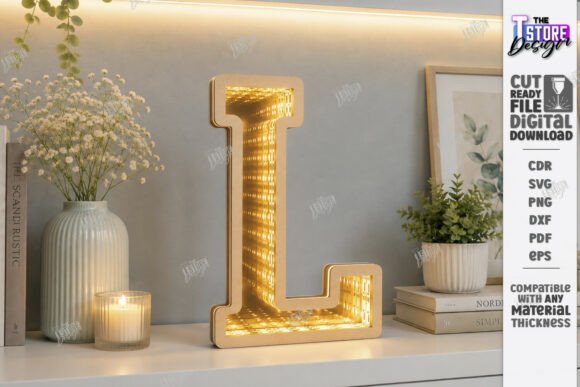
The lighting mechanism is equally pragmatic. The model accommodates a standard round LED module with a 60 mm diameter, powered via USB. This compatibility is significant because it leverages existing infrastructure. Most modern workspaces already have USB hubs, power banks, or wall adapters available. By using a common off-the-shelf component rather than a proprietary system, the user maintains flexibility and reduces long-term dependency on specific manufacturers. The result is a self-contained lighting solution that can be moved, stored, or replaced with minimal effort.
Optimizing the Printing Process for Quality Outcomes
While the assembly is straightforward, achieving the intended visual impact requires disciplined preparation during the 3D printing phase. The quality of the final product is directly proportional to the fidelity of the individual layers. To ensure the cleanest lines and sharpest silhouettes, users must optimize their slicing parameters. A nozzle size of 0.4 mm is generally sufficient for structural integrity, but upgrading to a 0.2 mm nozzle can significantly enhance the definition of distant mountain peaks and subtle textural details.
However, finer nozzles require slower print speeds and greater patience. For those prioritizing efficiency, a 0.4 mm nozzle remains a viable choice, provided that other settings are adjusted accordingly. One critical setting is the activation of "ironing" for the top surfaces of each layer. Ironing smooths out the ridges left by the extruder, creating a glass-like finish that reflects light evenly when the night light is activated. Without this step, the internal glow may appear uneven or patchy, detracting from the atmospheric effect.
Cooling management is another decisive factor. Adequate cooling ensures that sharp overhangs and thin walls do not warp or droop. Inconsistent layer adhesion can lead to gaps between the stacked pieces, allowing light to escape unpredictably and ruining the immersive quality of the scene. Therefore, investing time in calibrating fan speeds and bed temperature is not just a technical exercise; it is a quality assurance measure that protects the investment of time and materials.
Risks of Passive Consumption vs. Intentional Design
It is important to acknowledge the potential pitfalls of integrating such items into a professional environment without clear intent. The primary risk is distraction. If the assembly process becomes overly complex or if the resulting object is visually overwhelming, it can become a source of stress rather than relief. Similarly, relying solely on ambient aesthetics to solve deeper organizational or workflow issues is ineffective. A beautiful night light cannot compensate for poor project management or unclear strategic goals.
Another consideration is the longevity of the technology. While the mechanical assembly is timeless, the electronic components—the USB LED module—are subject to wear and obsolescence. Users should plan for maintenance. Keeping spare modules on hand ensures that the device remains functional for years, maximizing its return on investment. Additionally, one must consider the energy implications. While USB LEDs are efficient, leaving them on continuously can contribute to unnecessary power consumption. Integrating the light into a smart plug or timer system can automate its operation, turning it on during evening hours to support circadian rhythms and off during the day to preserve the visual clarity of the artwork.
Integrating the Puzzle into Long-Term Goals
For educators and trainers, the 3D Night Light Puzzle can serve as a demonstration of iterative design and problem-solving. Watching the layers come together mirrors the process of building a business or a curriculum: distinct components that must align to create a cohesive whole. For hobbyists and makers, it offers a manageable project that yields a highly visible, rewarding result, boosting confidence and encouraging further experimentation with more complex geometries.
Ultimately, the value of this object lies in its duality. During the day, it is a testament to craftsmanship and planning—a conversation starter that reflects the owner’s appreciation for detail. At night, it becomes a functional instrument of mood regulation, providing the warm, directional light needed for reading, reflection, or unwinding. By treating the creation and placement of the 3D Night Light Puzzle as a deliberate decision rather than an impulse purchase, individuals can harness its full potential to enhance both their productivity and their well-being.
When evaluating whether to incorporate such elements into your space, ask yourself what outcome you seek. Do you need a focal point that encourages mindfulness? Do you want to improve the visual appeal of your remote presence? Or are you simply seeking a satisfying creative outlet outside of your core professional duties? The answers will guide how you select, print, and position the puzzle. Used intentionally, it is far more than plastic and light; it is an instrument of environmental design that supports a balanced, productive, and aesthetically pleasing life.