3D Animal Puzzle Laser Cut: A Comprehensive Guide to Digital Crafting
In the rapidly evolving world of digital fabrication and creative hobbies, the intersection of technology and art has given rise to fascinating new mediums. Among these, the 3D Animal Puzzle Laser Cut stands out as a unique blend of educational value, artistic expression, and technical precision. For hobbyists, educators, interior designers, and small business owners, understanding the nuances of this digital product is essential before embarking on a crafting journey. This article explores the intricacies of laser-cut animal puzzles, clarifying what they are, how they function, and why they have become a staple in modern DIY culture.
Understanding the Digital Product Format
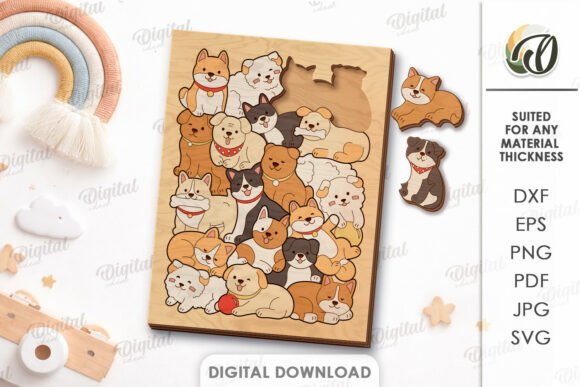
Before diving into the assembly process, it is crucial to clarify the nature of the product itself. When purchasing a 3D Animal Puzzle Laser Cut design, buyers are acquiring a digital asset, not a physical toy. The package typically includes a ZIP folder containing the specific design file in multiple formats, including SVG, DXF, EPS, PDF, JPEG, and PNG. This versatility is one of the primary strengths of the product, allowing users with varying levels of equipment access to the same high-quality design.
- SVG (Scalable Vector Graphics): Ideal for cutting machines like Cricut or Silhouette, ensuring clean lines regardless of size scaling.
- DXF (Drawing Exchange Format): A standard format widely used by professional CNC routers and laser cutters for precise material removal.
- EPS (Encapsulated PostScript): Useful for vector editing software, allowing for further customization of the design elements.
- PDF & JPEG/PNG: These raster or document formats serve as excellent guides for manual cutting with craft knives or for visualizing the final assembled look.
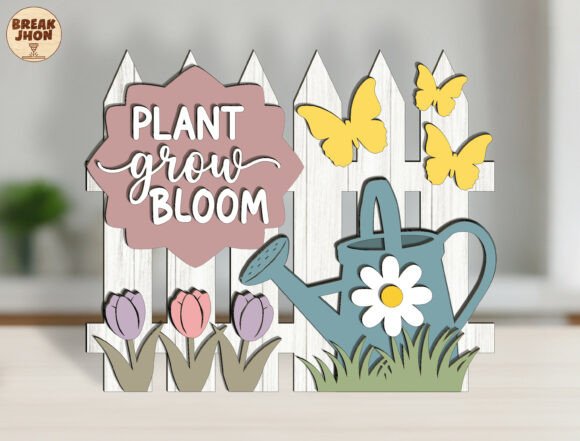
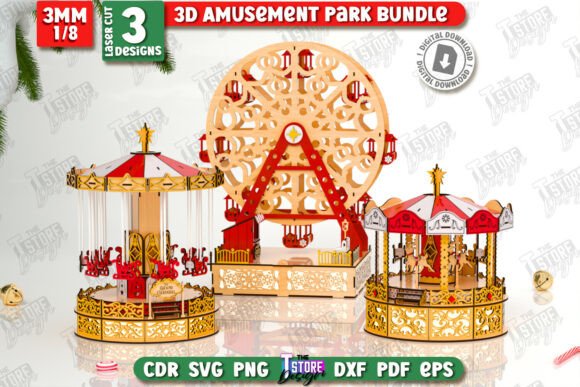
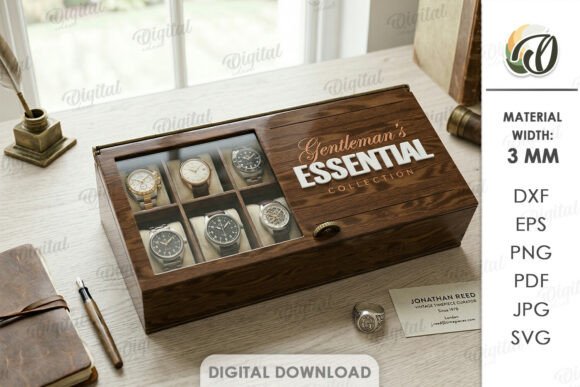
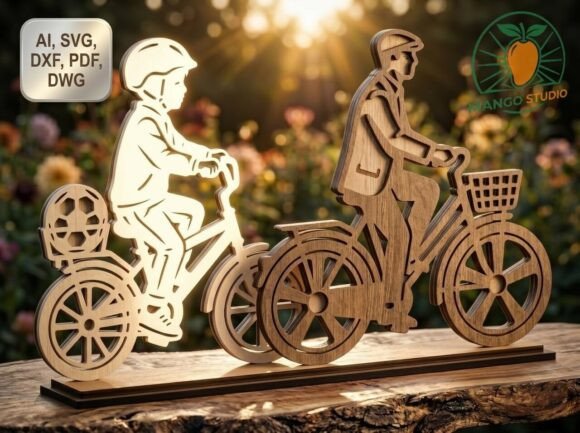
The images provided in the listing are intended solely for inspiration. They showcase the potential end result—a beautiful, three-dimensional representation of an animal—but the actual output depends entirely on the materials chosen by the creator and the precision of their cutting tool.
The Mechanics of Assembly and Creation
What makes the 3D Animal Puzzle Laser Cut so engaging is its mechanical simplicity combined with geometric complexity. Unlike traditional flat puzzles that rely on interlocking tabs on a two-dimensional plane, 3D puzzles utilize a system of slots and tabs that lock together vertically and horizontally. Each piece of the puzzle is a single layer of material, usually wood, acrylic, or foam board, which must be carefully cut from a larger sheet.
- Preparation: The user loads the appropriate file format into their cutting software, aligns the pieces efficiently to minimize waste, and sets the machine parameters based on the material thickness.
- Cutting: The laser cutter executes the design, burning through the material along the designated paths. Precision here is key; too much heat can char the edges excessively, while too little may leave parts uncut.
- Cleaning: Once cut, the pieces are removed from the frame. Any residual dust or ash is wiped away to ensure smooth assembly.
- Assembly: Following the included instruction guide (often provided in the PDF), the creator snaps the pieces together. The friction fit holds the structure without the need for glue, although adhesive can be used for added stability in large displays.
This process transforms a flat sheet of material into a tangible, tactile object. The satisfaction derived from watching a 2D file become a 3D sculpture is a significant driver behind the popularity of these projects.
Applications and Use Cases
The versatility of the 3D Animal Puzzle Laser Cut allows it to serve various purposes across different sectors. It is not merely a toy but a functional design element with broad applicability.
Home Decor and Interior Design
One of the most popular uses for these puzzles is as decorative wall art or shelf accents. By selecting materials such as stained plywood, white acrylic, or even metallic sheets, creators can produce striking visual statements. A large-scale lion or elephant puzzle mounted on a wall adds texture and depth to a room, serving as a conversation starter. The "endless possibilities of creation" mentioned by designers refer to the ability to customize colors, sizes, and mounting styles to match any interior aesthetic.
Educational Tools
In classrooms and homeschooling environments, these puzzles offer a hands-on approach to learning about anatomy and geometry. Assembling a giraffe helps students understand the proportions of long necks and legs, while the act of fitting pieces together reinforces spatial reasoning skills. Teachers can use the digital files to print templates for manual cutting activities if laser equipment is unavailable.
Corporate Gifting and Branding
Businesses often seek unique ways to engage clients or reward employees. A custom-branded 3D Animal Puzzle Laser Cut can be a memorable gift. Companies might choose an animal that symbolizes strength, agility, or wisdom relevant to their brand identity. The puzzle serves as a desk accessory that keeps the brand top-of-mind in a non-intrusive way.
Evaluating Suitability and Practical Considerations
While the appeal of digital puzzle designs is high, potential buyers should consider several factors to ensure the project meets their expectations.
Equipment Requirements
To achieve the best results, a laser cutter is recommended. While it is possible to hand-cut the pieces using a craft knife and the PDF/JPEG guides, the precision required for tight-fitting 3D joints makes manual cutting challenging and time-consuming. For those without a laser cutter, many local maker spaces or libraries offer shared access to these machines, making the project accessible even to those who do not own the hardware.
Material Selection
The choice of material significantly impacts the final look and durability. Thin basswood is a classic choice for its ease of cutting and natural appearance. Acrylic offers a modern, glossy finish but requires specific laser settings to avoid cracking. Foam board is excellent for quick prototypes or children’s projects due to its softness and safety, though it lacks the structural rigidity of wood.
Time and Patience
Assembling a complex 3D puzzle can take anywhere from one to several hours, depending on the number of pieces and the creator's experience. It is a meditative activity that requires focus. Beginners should expect a learning curve, particularly in understanding how the layers stack to create volume.
Conclusion
The 3D Animal Puzzle Laser Cut represents more than just a pastime; it is a testament to the power of digital design in the physical world. By providing versatile file formats and intricate yet logical designs, these digital products empower individuals to create original, personalized decor for their homes and offices. Whether you are a seasoned pro looking to expand your portfolio or a beginner eager to try your first laser cut, these puzzles offer a rewarding challenge. The key to success lies in preparation, material selection, and patience. Thank you for visiting our store and exploring the creative potential of digital crafting. If you have questions regarding file compatibility or assembly techniques, please feel free to reach out. Happy shopping, and enjoy the journey of bringing these digital animals to life.