Spiral Vase Decoration 3D Print
The intersection of digital design and physical manufacturing has never been more accessible, yet the gap between a concept and a finished object often lies in the details. For those exploring Spiral Vase Decoration 3D Print projects, the challenge is not just about creating a shape, but about ensuring that the final product matches the aesthetic vision without requiring advanced engineering knowledge. This specific model offers a unique opportunity to bridge that gap, providing a ready-to-print solution that balances artistic flair with technical reliability. Whether you are looking to add a touch of modern elegance to your home or seeking a reliable project to test your printer’s capabilities, understanding the nuances of this file format and its intended use is crucial for success.
Understanding the Spiral Vase Technique
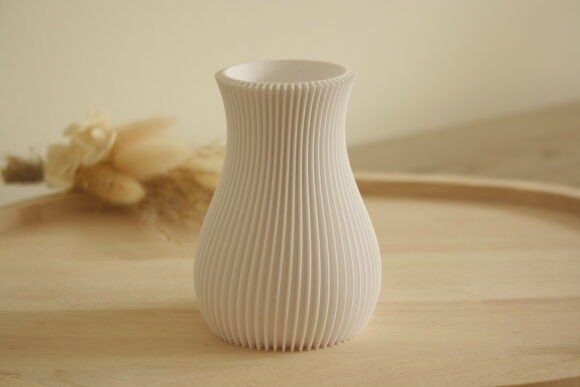
A spiral vase print is distinct from traditional additive manufacturing because it eliminates horizontal layer lines by continuously spiraling the nozzle path upward. This technique results in a seamless, organic surface that mimics hand-thrown pottery. The visual appeal lies in the uninterrupted flow of material, which creates a mesmerizing texture that catches light differently than standard stacked layers. However, achieving this effect requires precise slicer settings. If the Z-hop (the slight lift of the nozzle when moving between non-printing areas) is enabled, the spiral breaks, ruining the aesthetic. Therefore, the provided files are engineered to handle these complexities automatically, allowing users to focus on the joy of creation rather than troubleshooting basic errors.
File Formats: Convenience vs. Flexibility
One of the most significant advantages of this offering is the dual-file structure designed to accommodate different skill levels and software preferences. You will receive a ZIP file containing both a 3MF file and an STL file. It is important to understand the distinction between these two formats, as they serve different purposes in your workflow.
- The 3MF File: This format is specifically optimized for Bambu Studio (Bambu Slicer). It is not merely a mesh; it contains embedded print settings, including layer height, infill patterns, speed profiles, and temperature settings. When you import this file into Bambu Studio, the software recognizes the configuration, meaning the print parameters are already tuned to produce results very close to those shown in promotional photos. This is ideal for beginners or users who want a "plug-and-play" experience without spending time adjusting global settings.
- The STL File: Standard Triangle Language (STL) files contain only the geometric data of the model. They do not carry print settings. This makes the STL version universal, compatible with any common slicer such as Anycubic Slicer, PrusaSlicer, CuraSlicer, OrcaSlicer, and others. However, because settings cannot be transferred one-to-one between different slicers, users must configure their own print parameters. This option appeals to experienced users who prefer full control over their slicing environment or those who do not use Bambu Studio.
Who Should Use This Model?
The utility of a Spiral Vase Decoration 3D Print extends across various demographics, each with distinct priorities and use cases.
For Beginners and Hobbyists
If you are new to 3D printing, the learning curve can be steep. Configuring slicer settings like retraction, temperature, and speed often leads to failed prints if done incorrectly. The included 3MF file acts as a safety net. By using the pre-configured settings, you reduce the risk of failure and gain confidence. Watching a complex, beautiful vase emerge from the printer with minimal manual intervention provides immediate gratification and reinforces positive learning habits. It allows you to focus on the outcome—the decoration—rather than the mechanics of the machine.
For Experienced Users and Creators
Seasoned printers may prefer the STL file to integrate the model into their existing workflows. They might have specific filament types or custom profiles they trust more than default settings. The ability to scale the model freely is particularly valuable here. You can enlarge the vase for a centerpiece or shrink it for a small desk accessory. However, caution is advised: while scaling up is generally safe, scaling down too much can cause issues. Extremely thin walls may exceed the resolution of your nozzle, leading to clogs or structural weakness. The model is designed to be printed safely at its original dimensions, which measure 65.64 mm × 65.64 mm × 90 mm.
For Educators and Students
In educational settings, this model serves as an excellent teaching tool for geometry, aesthetics, and material science. Teachers can demonstrate how continuous paths differ from discrete layers. Students can experiment with different materials to see how flexibility and transparency affect the final look. The fact that the vase can hold water (if made with appropriate material) adds a functional component to the lesson, bridging the gap between abstract digital models and practical application.
For Small Business Owners and Entrepreneurs
For those selling handmade decor, efficiency is key. A model that prints reliably with high aesthetic value reduces waste and labor. While commercial rights depend on the specific license of the marketplace where this is sold, having a consistent, high-quality source file means you can produce uniform inventory. The spiral technique uses less material than solid fills, potentially lowering costs per unit. Furthermore, the ability to offer custom sizes by scaling the STL file allows for personalized offerings without needing to redesign the model for every client request.
Material Selection and Environmental Factors
Choosing the right filament is critical, especially since vases are often used to hold flowers or water. The recommendation is to use PETG. PETG offers a balance of strength, ease of printing, and chemical resistance. It is generally food-safe (though direct contact with hot liquids should be avoided unless certified) and withstands prolonged contact with water better than PLA, which can degrade or become brittle over time. ABS is another option but requires an enclosed chamber due to warping risks, making it less suitable for many desktop setups.
Even with perfect settings, environmental factors play a role. Room temperature fluctuations can affect cooling rates, while filament moisture can cause bubbling or stringing during the print. Always ensure your filament is dry and stored properly. Additionally, the condition of your print bed matters; a well-leveled and clean surface ensures the first layer adheres correctly, preventing the entire print from detaching mid-process. These variables mean that while the 3MF file provides optimal starting points, minor adjustments may still be necessary based on your specific hardware and environment.
Purchase Considerations and Terms
Before acquiring this digital asset, it is essential to review the terms of service. As a digital product, returns are excluded. Once the ZIP file is downloaded and extracted, the transaction is final. Please ensure you agree to these terms before purchasing. The delivery includes the necessary files for both Bambu Studio and general slicers, empowering you to choose the method that best fits your needs. Remember to extract the ZIP file immediately upon receipt to access the 3MF and STL files.
Ultimately, a Spiral Vase Decoration 3D Print is more than just a container; it is a testament to the precision of modern manufacturing and the creativity of the user. By selecting the appropriate file format and respecting the material constraints, you can achieve stunning results that enhance your space or satisfy your creative itch. Whether you are printing your first vase or your hundredth, this model provides a reliable foundation for success.